Code Development
Foxes Guarding the Hen House
NFACC creates recommendations for farmed animals through the Codes of Practice. Despite the authoritative name, these Codes largely reflect what industry is willing to do—not what science, independent animal welfare experts, or the public expect as the bare minimum for animals on farms.
NFACC has overseen the development of Codes for nearly every major farmed animal sector in Canada. These Codes claim to set “requirements” and “recommended practices” for how animals are housed, fed, managed, and killed on farms.
On paper, this sounds thorough. In reality, the process is designed to maintain industry control.
Code Development
Each Code is drafted by a Code Committee that NFACC describes as “consensus-based.” For every species, a separate Scientific Committee—usually made up of about six animal science researchers—is brought in to review the science. Together, the Scientific Committee and the Code Committee select just three to six “priority welfare issues” to examine.
The Scientific Committee then produces literature reviews on those limited topics. After peer review, these reports are handed back to the Code Committee, which decides how—or whether—the science is reflected in the final Code.
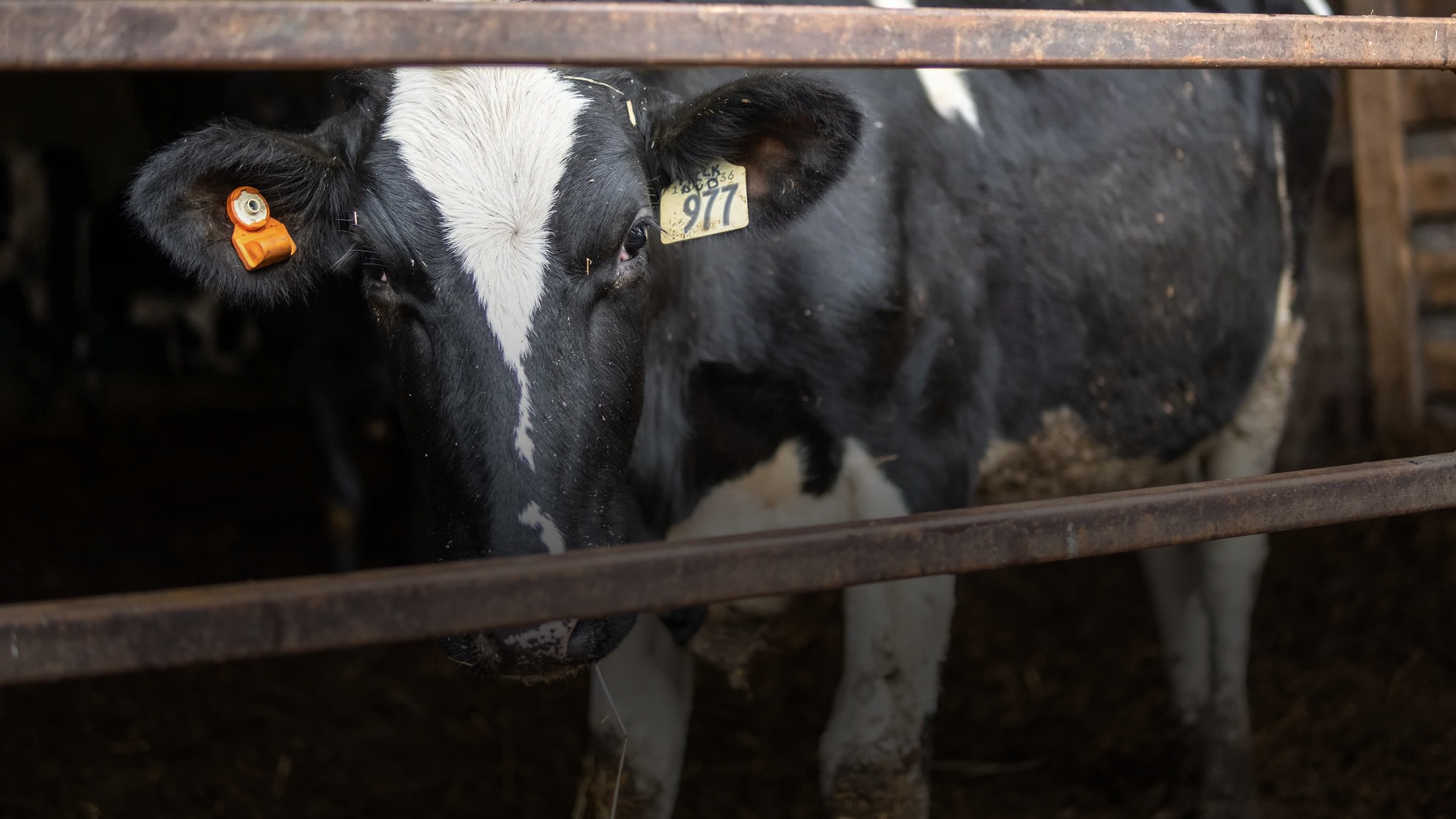
In the review of the Dairy Cattle Code, cow-calf separation was identified as the top animal welfare concern. Yet the updated Code is silent on the issue, allowing calves to be separated from their mothers immediately after birth.
The result is a system where science can inform the process but does not drive it. Industry-dominated committees retain the final say, shaping animal welfare standards to fit what is acceptable to producers—not what animals actually need or what Canadians expect.
Code Review Process
Although the Codes are supposedly reviewed every ten years, with interim check-ins at five-year intervals, industry controls the entire process. The relevant industry association for the species of animals under consideration decides when a review begins, whether changes are made, and even if and when the public is informed. From start to finish, the industries are the ones calling the shots.
This industry-controlled system also allows sectors to delay updates and resist reforms that might affect production methods or costs. Review timelines vary widely depending on industry priorities. For example, although the Beef Cattle Code was due for a full update in 2023, the Canadian Cattle Association—the national industry group responsible for initiating and shepherding the process—did not move forward with the interim review until late 2023. As a result of this industry-led delay, the updated Code is not expected to be finalized until 2027.
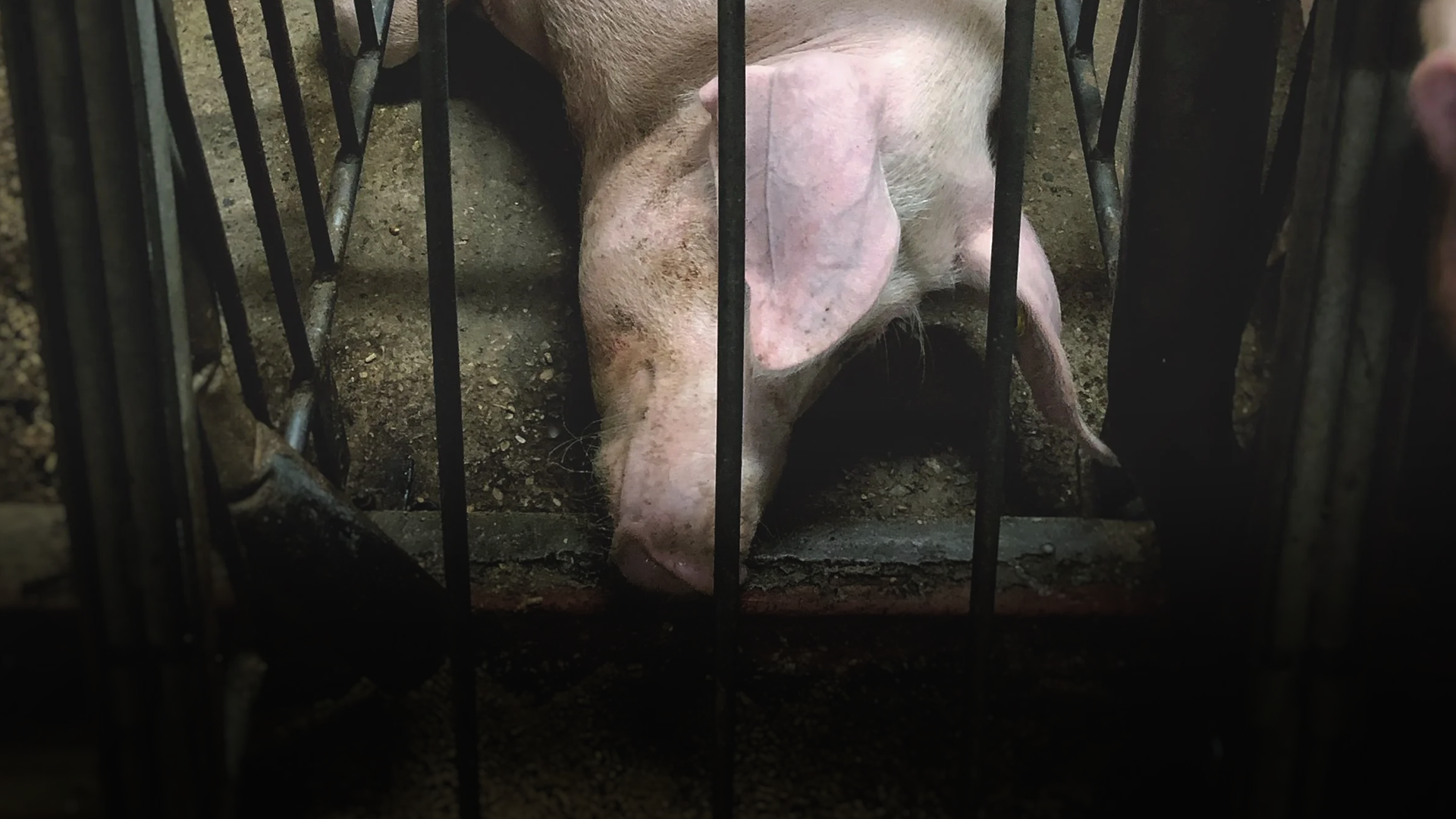
And when industries want to delay reforms that affect profits or production models, they can—and do—push timelines back with little consequence. A stark example was the pig industry’s decision to push back the phase-out of gestation crates until 2029, citing “affordability concerns.” This delay overturned a 2024 deadline set a decade earlier and bypassed NFACC’s own stated procedures—prolonging animal suffering in the process.