
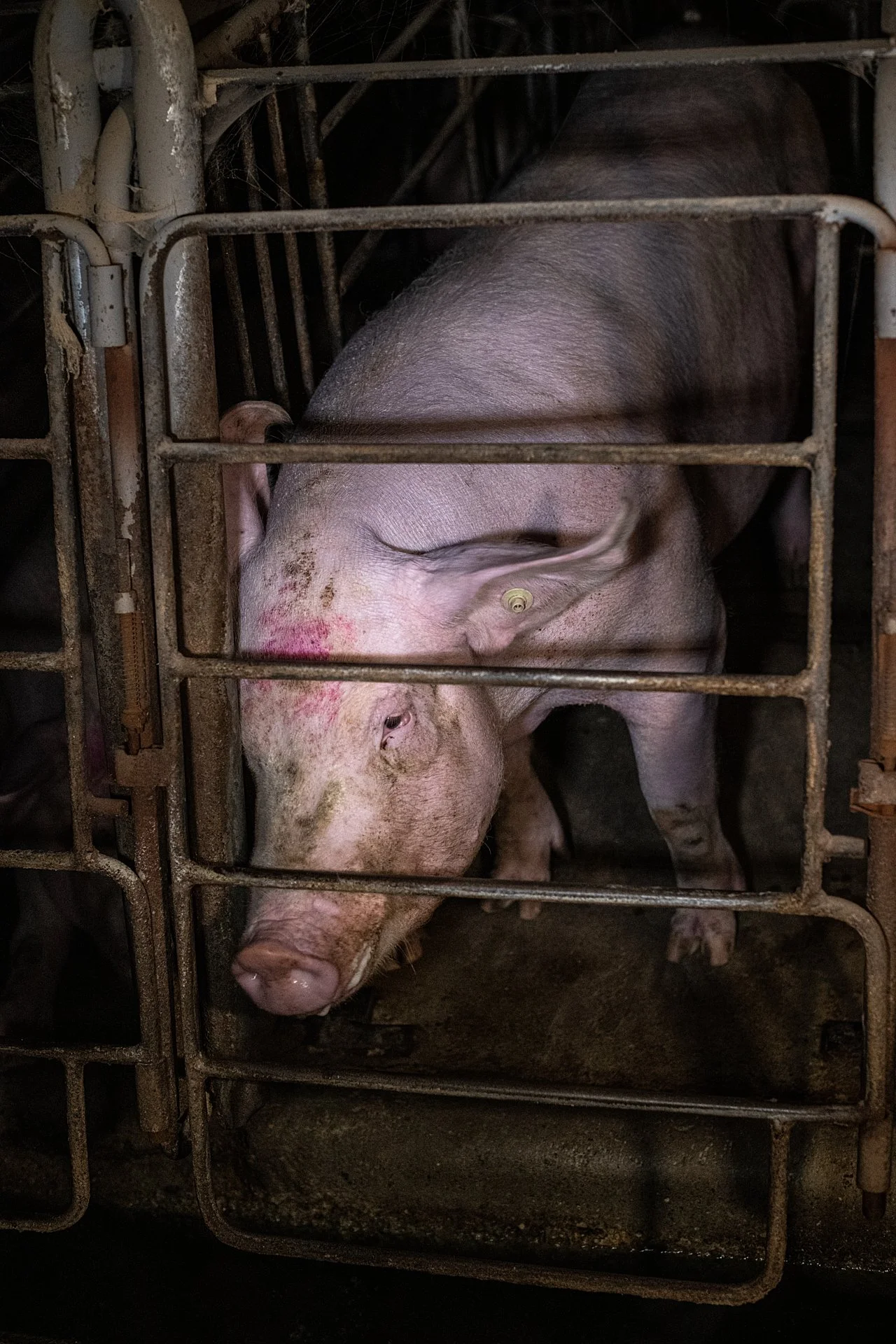
Pigs
CODE OF PRACTICE FOR
Canada’s Pig Code of Practice continues to allow some of the most violent practices on farms
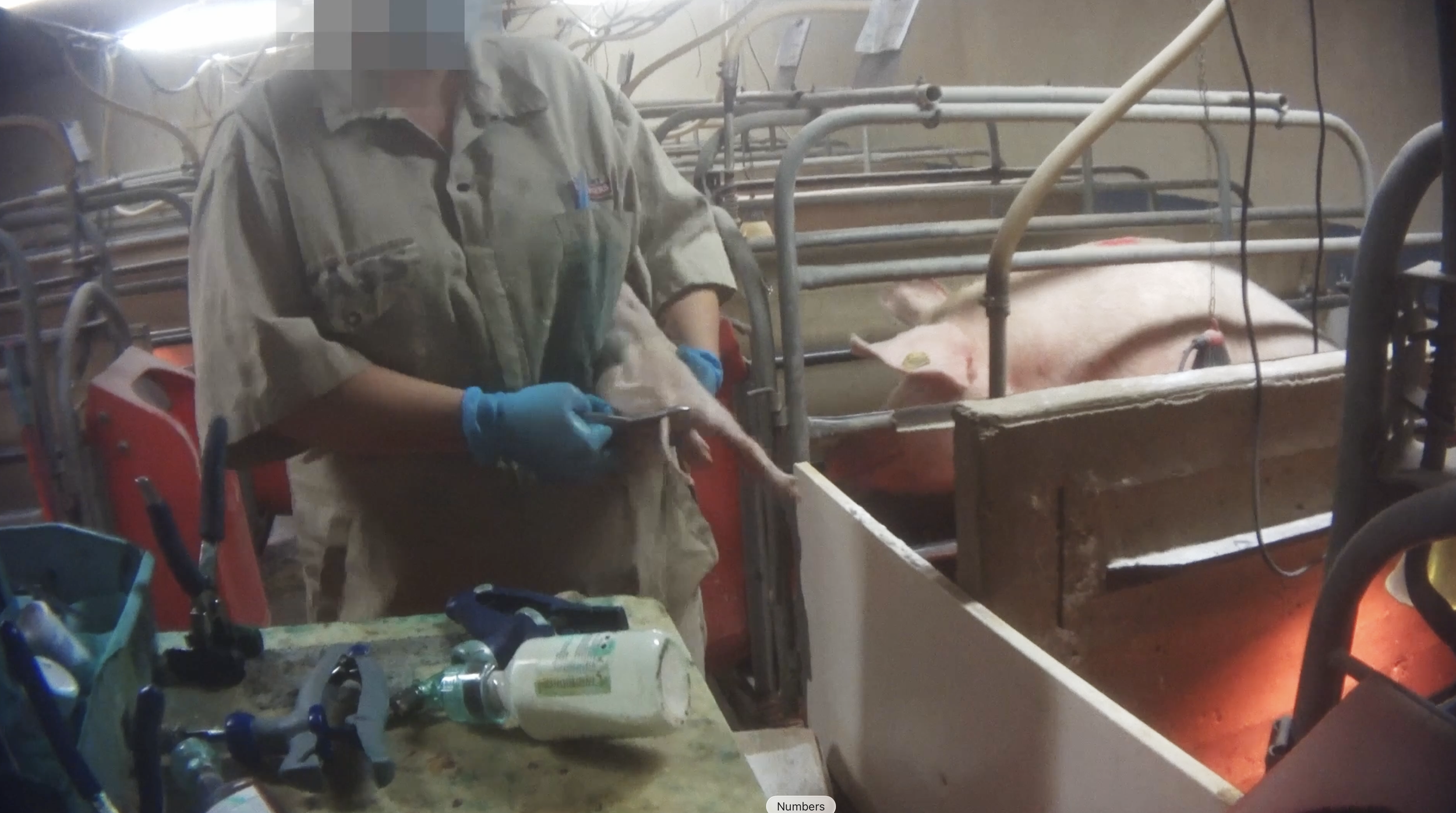
Under the Code, piglets weighing under nine kilograms can be killed by blunt force trauma—slammed head-first onto hard surfaces. The Code also allows routine mutilations such as castration, tail docking, and ear notching to be performed without adequate pain control, despite clear scientific evidence that these procedures cause intense acute pain and long-term suffering.
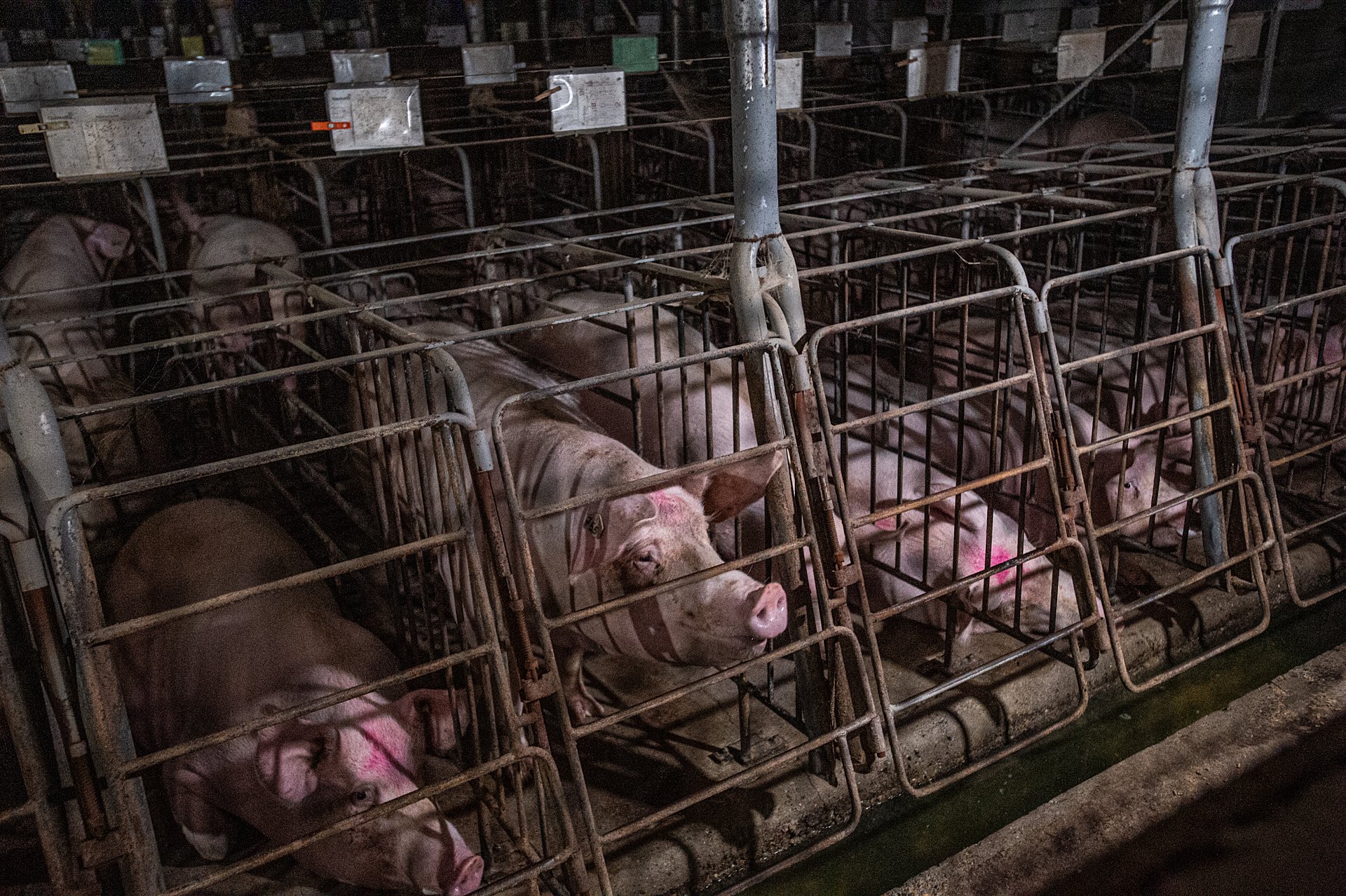
Gestation Crates
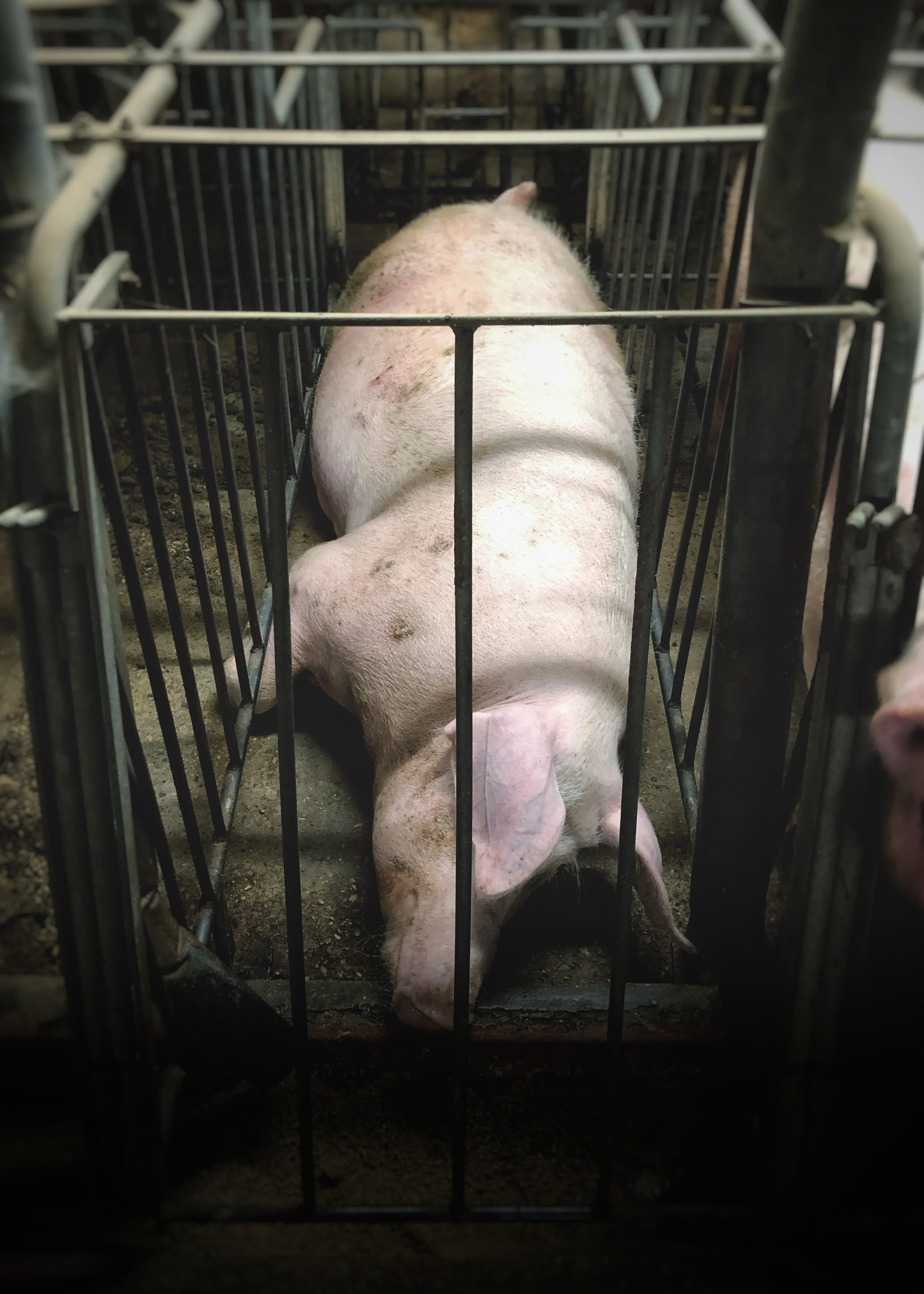
For mother pigs, the standards are no better. The Pig Code still permits the confinement of pregnant sows in metal gestation crates for up to 35 days—cages so small the animals cannot even turn around. This extreme restriction of movement causes physical deterioration, psychological distress, and chronic stress.
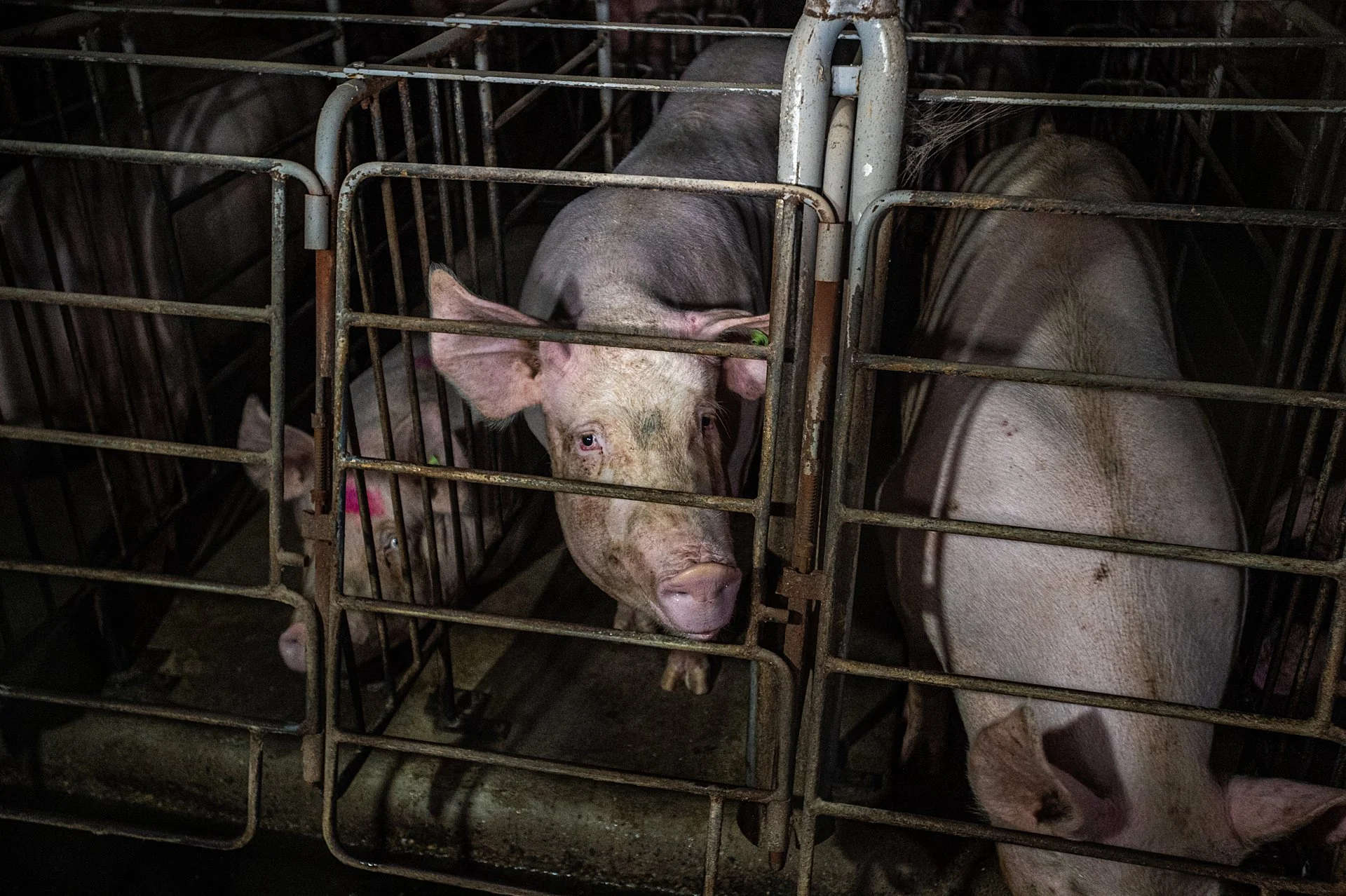
Canada’s pig Code standards stand in sharp contrast to growing global action.
Across the European Union, many of these practices are either banned outright, subject to strict pain-relief requirements, or heavily restricted by law. While regulations vary by country, the overall legal framework reflects a far higher baseline for pig welfare than what NFACC continues to allow.
The United States is also moving ahead. At least ten U.S. states—including California, Florida, and Massachusetts—have passed laws restricting or banning the use of gestation crates, and in some cases prohibiting the sale of pork produced using them. These laws recognize what the Pig Code ignores: extreme confinement and routine violence are unacceptable.
Canada is not lacking examples of better standards—it is choosing not to follow them.
Image: Jo-Anne McArthur / We Animals, 2017
Inside Canadian Pig Farms:
2020 Paragon Farms
Animal Justice
Background images: Jo-Anne McArthur / We Animals