
Dairy Cows
CODE OF PRACTICE FOR
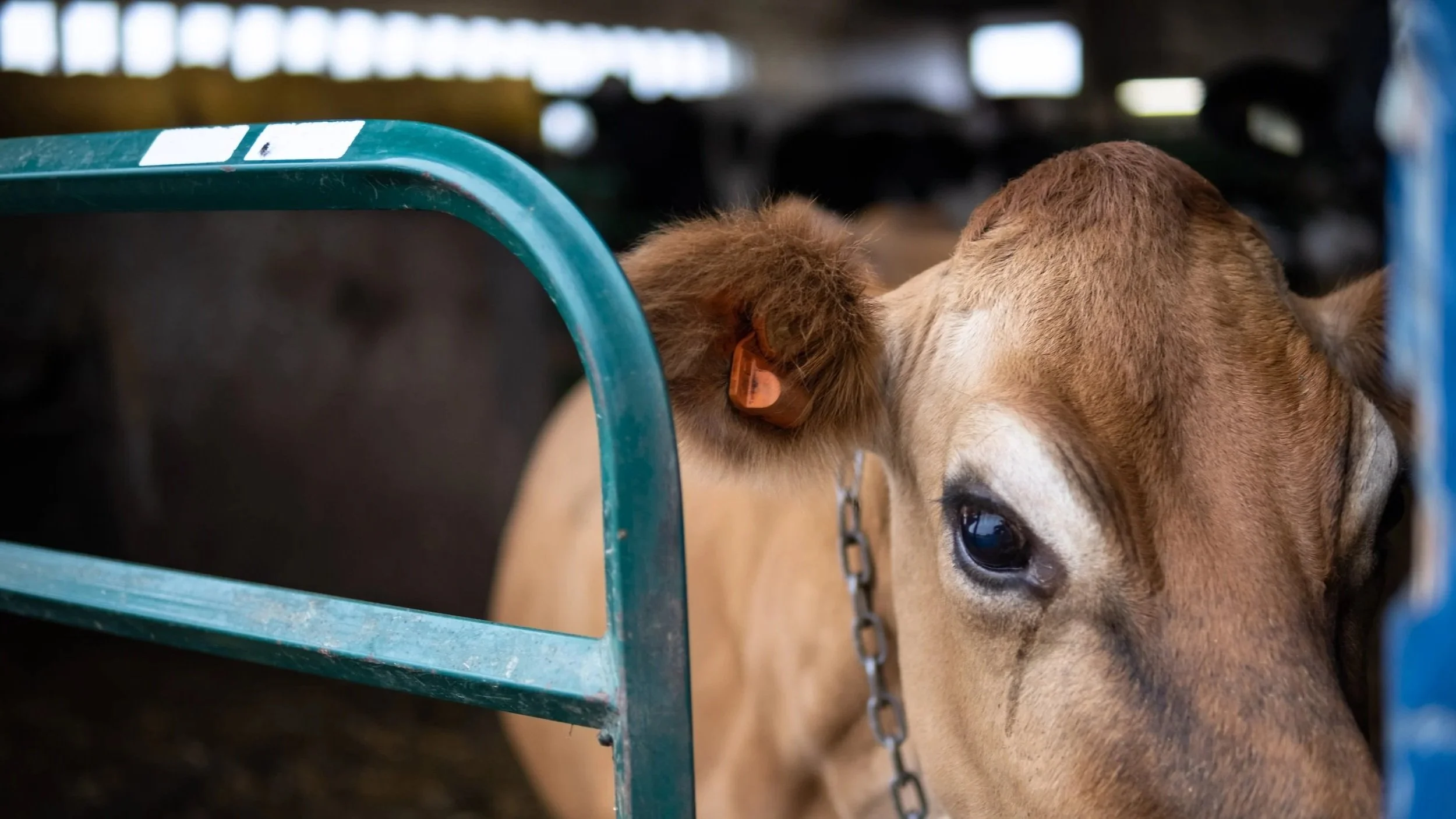
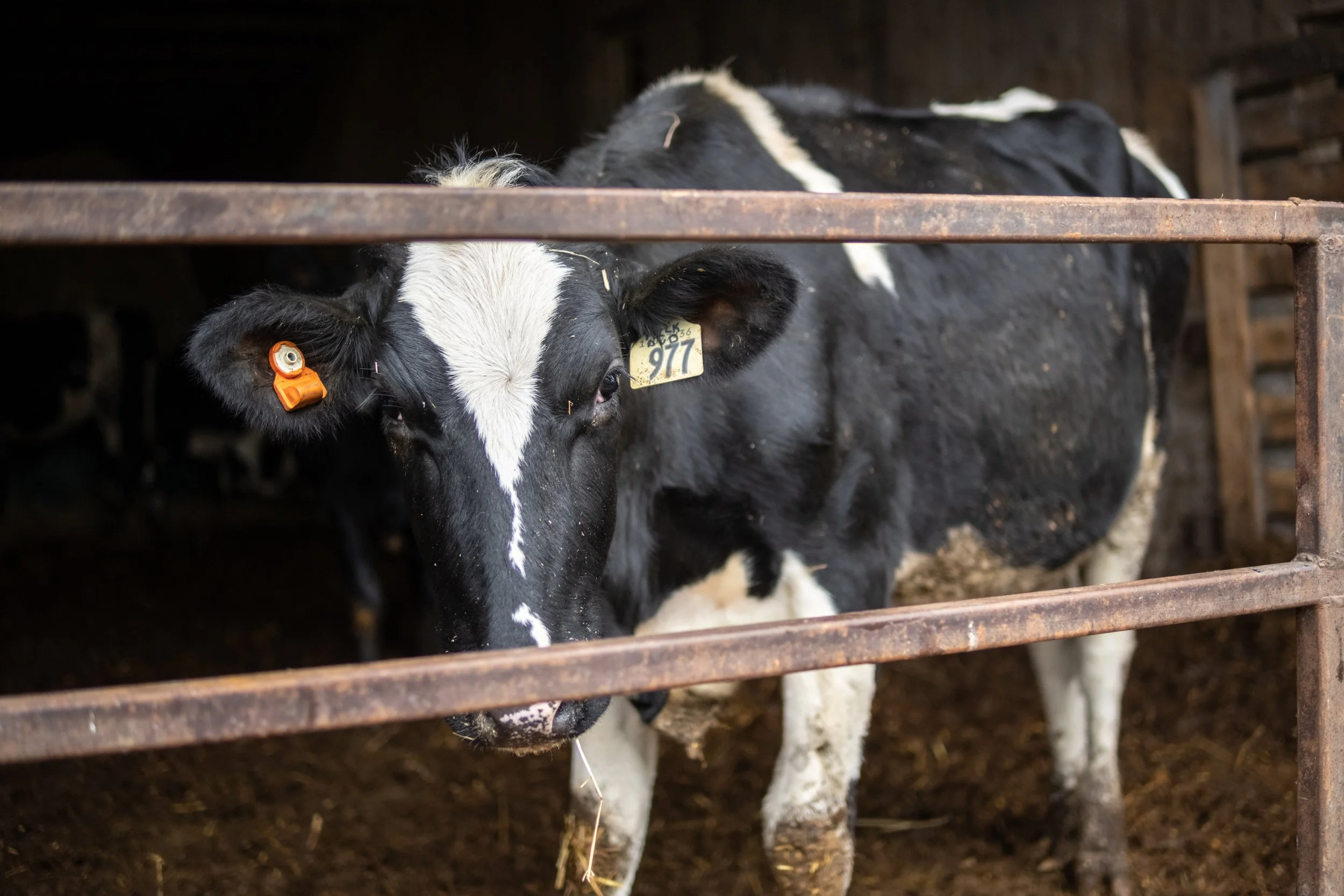
Under the Code, dairy cows can be kept in extreme confinement—often tied in indoor stalls for most or all of their lives when not being milked.
These cows are unable to walk freely, turn around, or express basic natural behaviours. The Code also permits the immediate separation of newborn calves from their mothers, a practice that causes significant distress to both cow and calf.
For calves, the deprivation continues.
Calves under four weeks old can be isolated and tethered alone in small outdoor hutches, denying them social contact, freedom of movement, and normal development. This system locks animals into a cycle of confinement and isolation from birth onward.
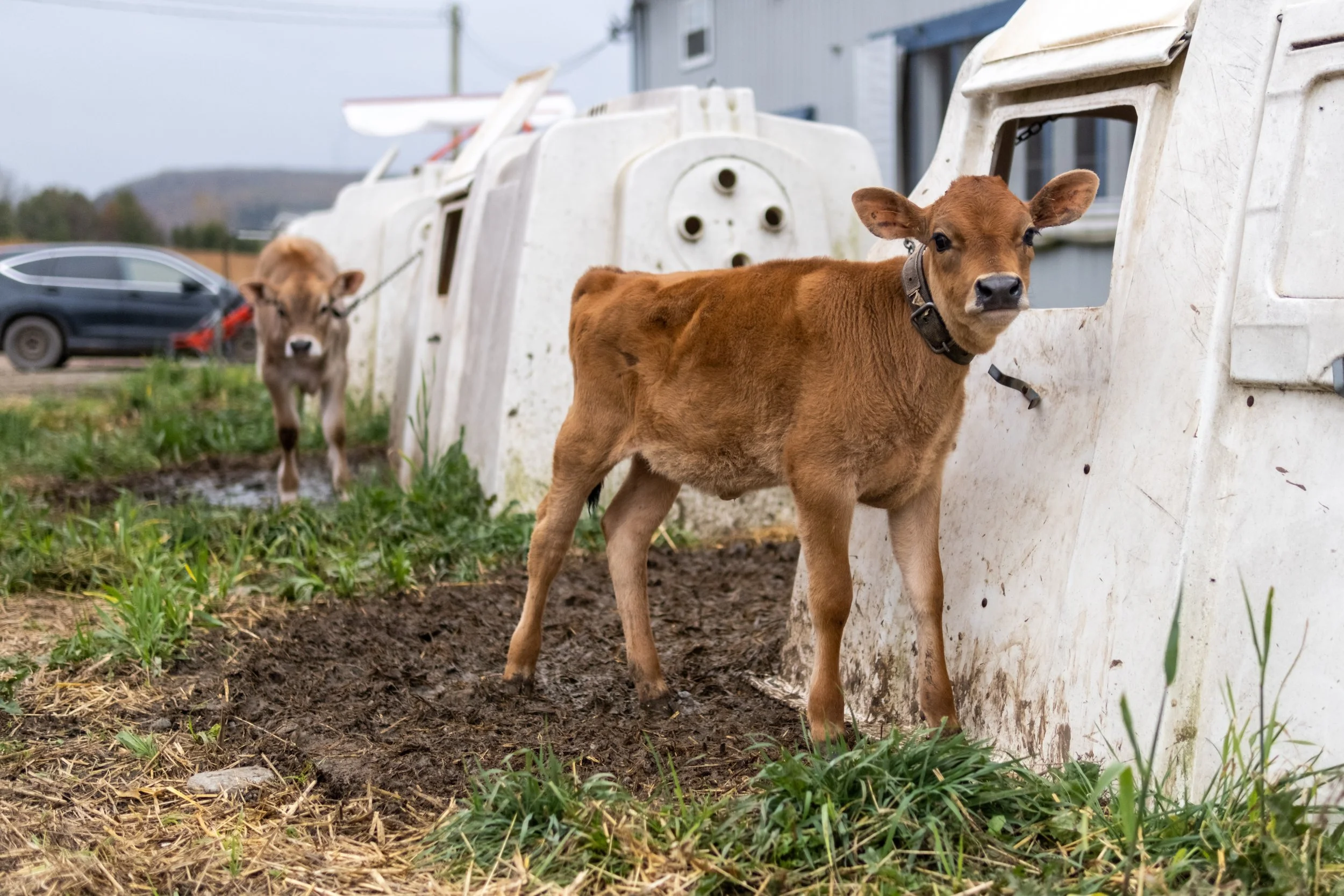
Photo: Ira Moon / We Animals, 2022
Other parts of the world are moving in the opposite direction.
The European Union’s own scientific body has confirmed that permanent tethering severely harms animal welfare and has called for legislative bans. Some countries have already acted. Switzerland, for example, prohibits permanent tethering to ensure cows have freedom of movement and the ability to behave naturally.
Calf welfare standards abroad also go further. While immediate mother–calf separation remains common, the EU bans tying calves altogether and requires group housing after eight weeks of age—recognizing the importance of movement and social interaction.
These protections stand in stark contrast to Canada’s Dairy Code, which continues to allow practices that keep sentient animals confined, isolated, and deprived throughout their lives.
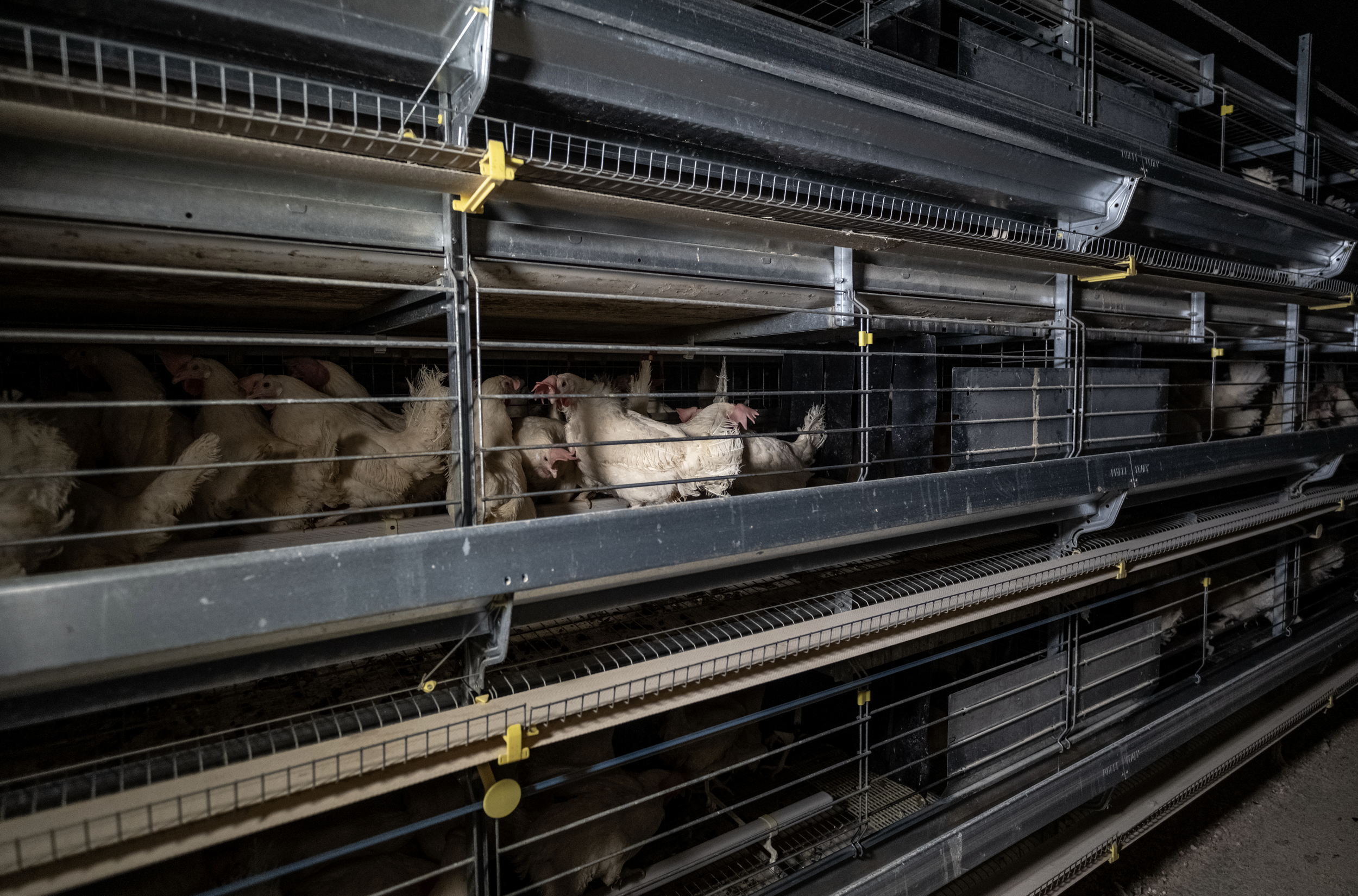
Inside Canadian Dairy Farms
2021 Cedar Valley Farms
Animal Justice
2014 Chilliwack Cattle Sales
Mercy For Animals Canada